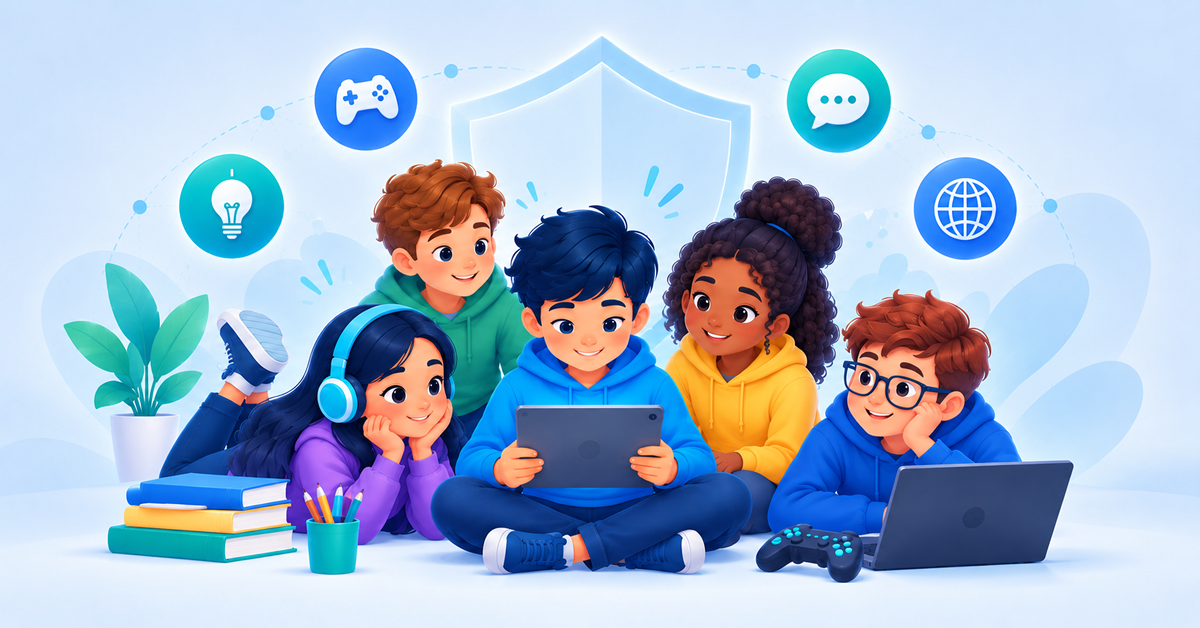
The internet can be a useful and enjoyable part of everyday life; it can help you learn, play games, explore interests, talk to other people and become more independent. It can also create situations that are confusing, upsetting or difficult to judge.
Support That Starts With You
Safe Internet and Digital Use for Children with Autism (SIDUCA) is being developed to help autistic children and young people use the internet and digital technology with greater confidence and safety. It does not assume that every autistic person thinks, communicates or uses technology in the same way. What feels straightforward to one person may be difficult for another, and the support that is useful can change with age, experience and circumstances.
The aim is not to make the internet seem frightening or to stop you using it; it is to make online situations easier to understand, give you practical ways to respond and help you know when and how to ask for support.
What SIDUCA Will Help With
Planned resources will cover everyday subjects such as:
- Keeping personal information private.
- Choosing secure passwords.
- Communicating online.
- Recognising pressure or manipulation.
- Dealing with unwanted contact.
- Understanding online friendships.
- Using social media and gaming platforms.
- Spotting scams and misleading information.
- Responding to cyberbullying.
- Managing upsetting or inappropriate content.
- Getting help when something does not feel right.
The guidance will use clear explanations, realistic examples and practical activities; where possible, it will show what a situation can look like, why it may be risky and what choices are available. Resources will be designed for different ages, levels of understanding and support needs rather than expecting one version to work for everyone.
Making Your Own Choices
Online safety is not only about following rules; rules can help, but they do not cover every situation. SIDUCA therefore aims to build judgement and decision-making as well as knowledge; this includes learning how to pause, check information, think about another person’s intentions, recognise boundaries and decide who can help.
As children and young people gain experience, they should have appropriate opportunities to make choices and develop independence; families and professionals may still provide support, but this should be proportionate to the person’s needs and the situation – safety, privacy, dignity and independence all matter.
If Something Happens Online
Being tricked, pressured, bullied or exposed to upsetting material is never something a child or young person should have to manage alone; asking for help is a sensible response, not a failure. Where there is an immediate risk of harm, contact a trusted adult or the emergency services; concerns can also be reported through the relevant website, app, school or safeguarding route.
SIDUCA will provide education and guidance, but it is not an emergency, counselling or reporting service; its resources will signpost appropriate sources of help and explain reporting options in a clear, practical way.
Help Shape SIDUCA
Children and young people should have a meaningful voice in resources intended for them; SIDUCA intends to involve autistic learners, families and professionals in consultation and testing so that examples feel genuine, language is understandable and activities are useful in real life.
As opportunities to take part become available, they will be published through the Get Involved and News sections of the website; participation will be planned with appropriate consent, safeguarding, privacy and accessibility arrangements.