Introduction
“Do not talk to strangers” has been part of children’s safety advice for generations; online, however, the meaning of a stranger is far less straightforward.
Children regularly communicate with people they have never met in person; they play on the same team, exchange messages, share interests and sometimes speak every day. After weeks or months of contact, describing that person as a stranger may no longer make sense to the child.
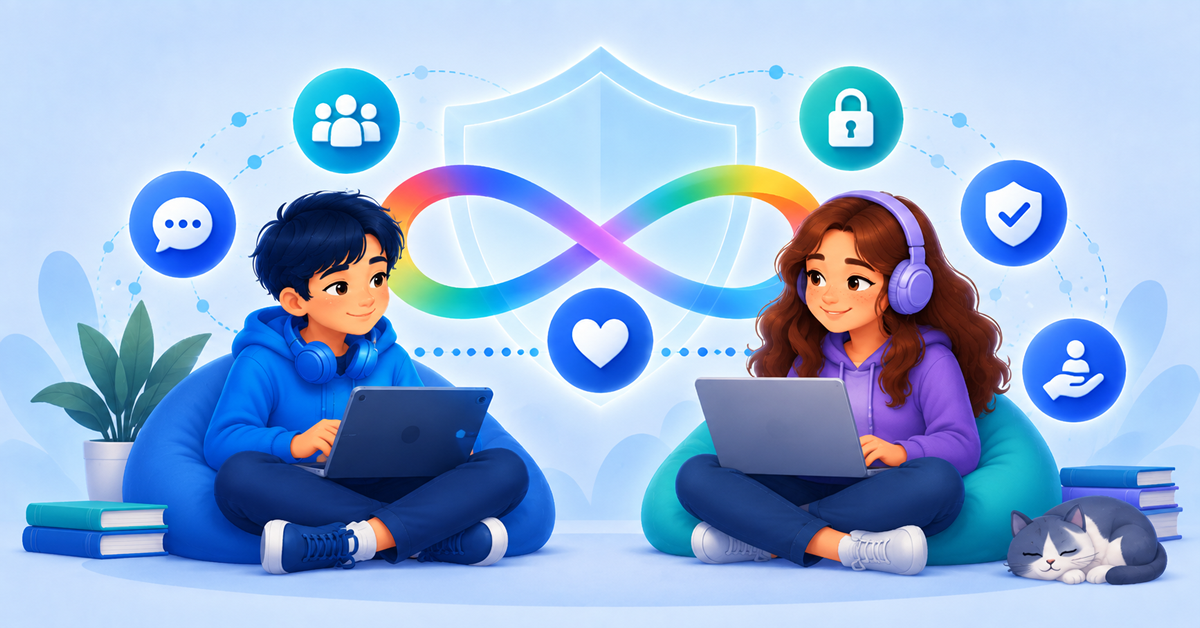
That does not make every online friendship dangerous; these relationships can provide companionship, shared interests and a sense of belonging. For some autistic young people, online communication may also feel easier to manage than an unpredictable face-to-face conversation.
The difficulty is helping children understand that feeling familiar with somebody is not the same as knowing who they are.
How Trust Can Develop Online
Trust rarely develops through one dramatic conversation; it usually grows through repeated, ordinary contact.
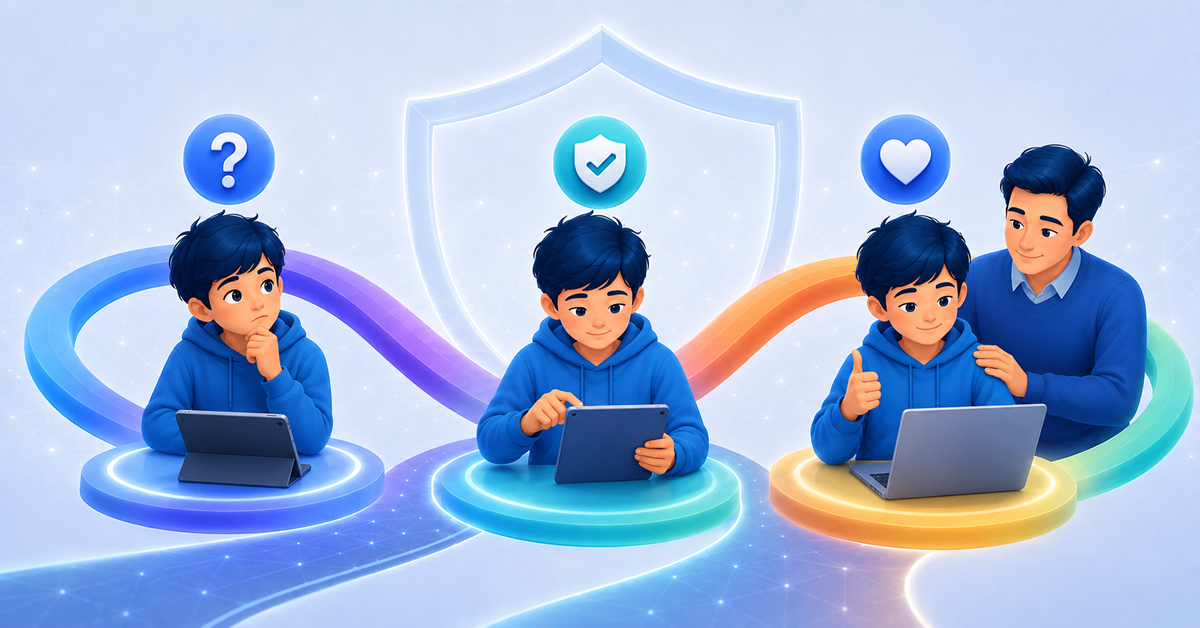
A person may remember what the child has told them, show an interest in the same game or offer support when the child is upset, whilst none of this is necessarily suspicious; it does, however, mean that later requests may come from somebody the child already considers a friend.
Those requests might begin with small pieces of personal information; the person may then suggest moving to private messages, ask for a photograph or encourage the child to keep part of the friendship secret, they might use praise, sympathy, gifts or the threat of ending the friendship to influence what happens next.
A warning based entirely on strangers may be of little help here; the child can quite reasonably say, “They aren’t a stranger, I’ve known them for months”.
It is more useful to talk about behaviour:
- Does the person respect a refusal?
- Are they asking for secrecy?
- Do they create pressure to reply quickly?
- Are their requests becoming more personal?
- Does the child feel worried about upsetting or losing them?
A child does not need proof that somebody intends harm before asking for another opinion.
Boundaries Without Fear
Online relationships should not be presented as something children must avoid altogether; instead, they can be helped to recognise reasonable boundaries.
This might include checking before moving a conversation to another service, refusing requests for private information or photographs and speaking to a trusted person if an interaction becomes uncomfortable.
The same principles can be used across gaming, messaging and social platforms; apps will change, but secrecy, pressure and disregard for boundaries are likely to remain relevant warning signs.
How adults respond also matters; a child may hide a worrying friendship if they expect their device to be removed immediately or believe they will be blamed for allowing the contact to develop.
There will be situations in which access needs to be restricted or urgent safeguarding action is required; even then, listening calmly and dealing with the immediate risk first can help preserve the child’s confidence in asking for help.
Safe Internet and Digital Use for Children with Autism (SIDUCA)’s future work on online relationships should recognise both sides of the subject; online friendships can be genuine and valuable, but trust should not remove the need for boundaries, checking and support.