Introduction
Online safety advice often begins with a list of dangers; children are warned about strangers, harmful content, scams, cyberbullying and the consequences of sharing something they may later regret.
These risks are real and children need clear information about them; however, frightening someone does not necessarily help them make a safer decision, in some cases, it may make matters worse.
If a child expects to be blamed, punished or prevented from using their device, they may be reluctant to admit that something has gone wrong; they might hide a conversation, delete a message or try to deal with the situation alone which is a concern that could have been addressed early and which may then become more difficult to manage.
Safe Internet and Digital Use for Children with Autism (SIDUCA)’s approach will be based on helping autistic children and young people understand online situations rather than simply telling them to be afraid of the possible consequences.
The Limits of Simple Rules
Clear rules have an important place in online safety education; advice such as “never share your password” or “tell an adult if someone asks you for a photograph” gives a child a straightforward action to follow.
The problem is that many online situations do not fit neatly within a fixed rule.
“Do not talk to strangers” is a familiar example; it may sound sensible, but online games, social platforms and interest groups regularly involve contact with people a child has never met. Some of those people may become familiar through shared interests and repeated conversations.
Once someone feels familiar, the word “stranger” may no longer make sense to the child; familiarity also does not mean that a person is honest, safe or entitled to be trusted.
It can therefore be more useful to focus on behaviour.
Does the person respect boundaries? Do they accept “no” without becoming angry? Are they asking the child to keep secrets? Do they create a sense of urgency or suggest that the child must prove their friendship? Have their questions become increasingly personal?
These signs provide something practical to look for, regardless of whether the other person is described as a stranger, friend, follower or fellow player.
Explaining Why Something May Be Unsafe
Some autistic children may find direct and specific explanations easier to use than broad warnings; this will not be true for everyone, and the type of support required will vary from one child to another.
Telling a child that a message is “inappropriate”, for example, may not explain what is wrong with it. The concern might be that the sender is asking for information they do not need; they may be encouraging the child to continue the conversation privately, offering a reward or suggesting that something bad will happen if the child does not respond.
Breaking the situation down can help the child understand why the request is unusual and what they can do about it.
The same applies to personal information; a child may understand that a password is private but not realise that their school, location, routine or photographs can also reveal useful information about them.
One piece of information may appear harmless on its own; when it is combined with a name, location, photograph or username used on another platform, it may identify the child or show where they are likely to be. Explaining that connection is more useful than expecting someone to memorise a long list of things they must never share.
Making It Easier to Ask for Help
Children will sometimes make mistakes online; they may click a misleading link, respond to a suspicious message or share information before realising that it could be misused.
How adults respond can affect whether the child asks for help again.
If every disclosure leads to anger or the immediate loss of all online access, staying quiet may begin to feel like the safer option; this can be especially difficult when online activities are important to the child’s friendships, interests or routine.
A calm response does not mean that the incident should be treated casually; safeguarding action may be needed, particularly where there is evidence of grooming, exploitation, threats or inappropriate contact. Accounts may need to be blocked or reported, passwords changed and evidence preserved; in some circumstances, advice or assistance from a school, platform, safeguarding professional or the police may be required.
These actions can still be taken without blaming the child; the first message should be clear, asking for help was the right thing to do.
Children should feel able to speak to a trusted adult even if they broke a rule, ignored earlier advice or are embarrassed by what happened; support should not depend on them having made every decision correctly.
Using Situations Children May Actually Encounter
Online safety education is likely to be more useful when it reflects the situations children experience.
This could include looking at sample messages, deciding which details should remain private, discussing how someone might apply emotional pressure or practising ways to end an uncomfortable conversation. A child might also explore when to take a screenshot, block an account, use a reporting tool or speak to someone they trust.
Examples need to show that concerns are not always obvious from the beginning; a conversation may start with a shared interest and appear entirely friendly, the questions may become more personal over time, or the other person may begin asking for secrecy.
Talking through situations like these gives the child an opportunity to notice changes and consider possible responses before facing the same pressure themselves.
The format should suit the learner; some children may benefit from visual examples, repeated practice or step-by-step guidance whilst others may prefer written scenarios or a conversation about the choices available. There is no single method that will work for every autistic child.
Technical controls Still Matter
An emphasis on understanding does not remove the need for parental controls, privacy settings, content filters, supervision or restrictions; depending on the child’s age and circumstances, these measures may be essential.
Controls can reduce exposure to particular risks and provide useful boundaries; they cannot cover every situation, especially as children grow older and begin using different devices, platforms or internet connections.
Where possible, it can help to explain what a control is intended to do; a privacy setting may limit who can contact the child, a location setting may prevent other users from seeing where they are, purchase restrictions can stop unexpected spending within games and apps, etc.
Giving the measure a clear purpose may help it feel less like an unexplained punishment; it also gives the child knowledge that they can use when managing settings independently in the future.
Restrictions should be reviewed as a child’s needs and understanding change; some may remain necessary for a long time whilst others may be adjusted gradually as the child becomes more confident. Decisions should be based on the individual rather than on age alone.
Keeping the Benefits of Technology in View
A child cannot learn to manage online risk if every discussion suggests that using the internet is inherently dangerous.
Technology can support education, communication, entertainment, creativity and friendship; it may help autistic children pursue strong interests, maintain connections and communicate in ways that feel more comfortable. Digital skills can also become increasingly important for education, employment and independent living.
Recognising these benefits does not mean understating the risks; it means placing those risks in context and helping children take part with appropriate support.
Some online situations will require immediate adult intervention; children need to know that people may be dishonest about who they are and that harmful behaviour can occur, they also need to know what warning signs to look for and where help is available.
The intention is to replace vague fear with practical knowledge.
Building Confidence Gradually
SIDUCA’s longer-term objective is to support greater confidence and independence; this should happen gradually and should never mean removing help before a child is ready.
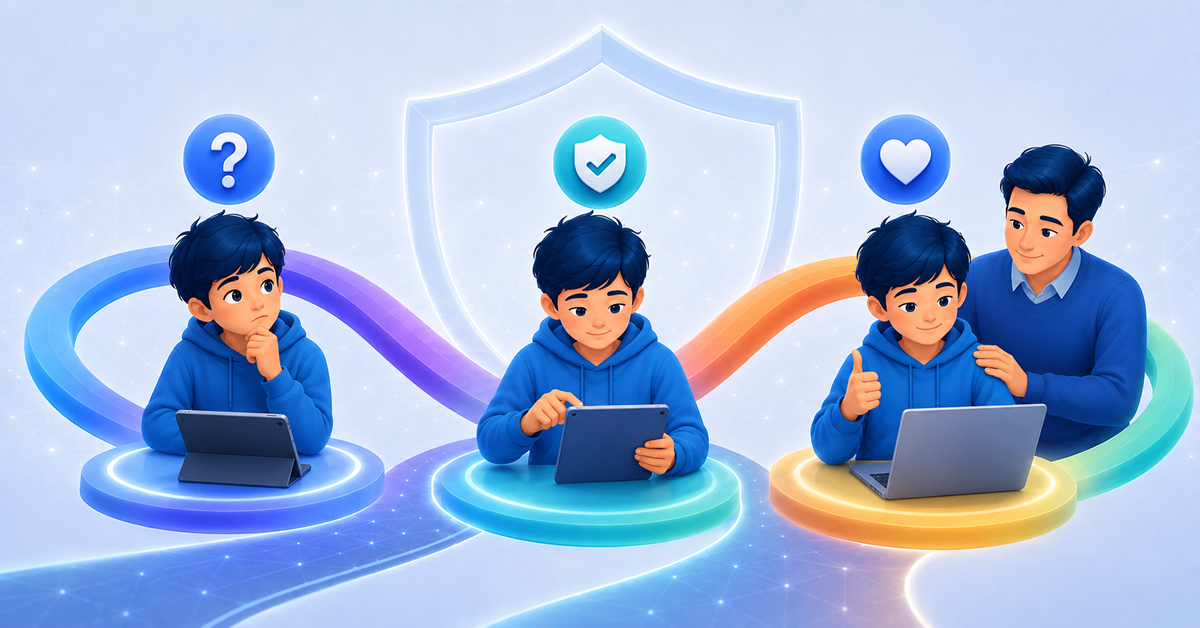
Progress may begin with small decisions; pausing before replying, questioning an unusual request, checking whether information is private or showing a message to a trusted person. These actions can become more familiar through explanation, practice and reassurance.
Trusted adults will continue to have an important role; knowing when to seek help is part of becoming more independent, not evidence that independence has failed.
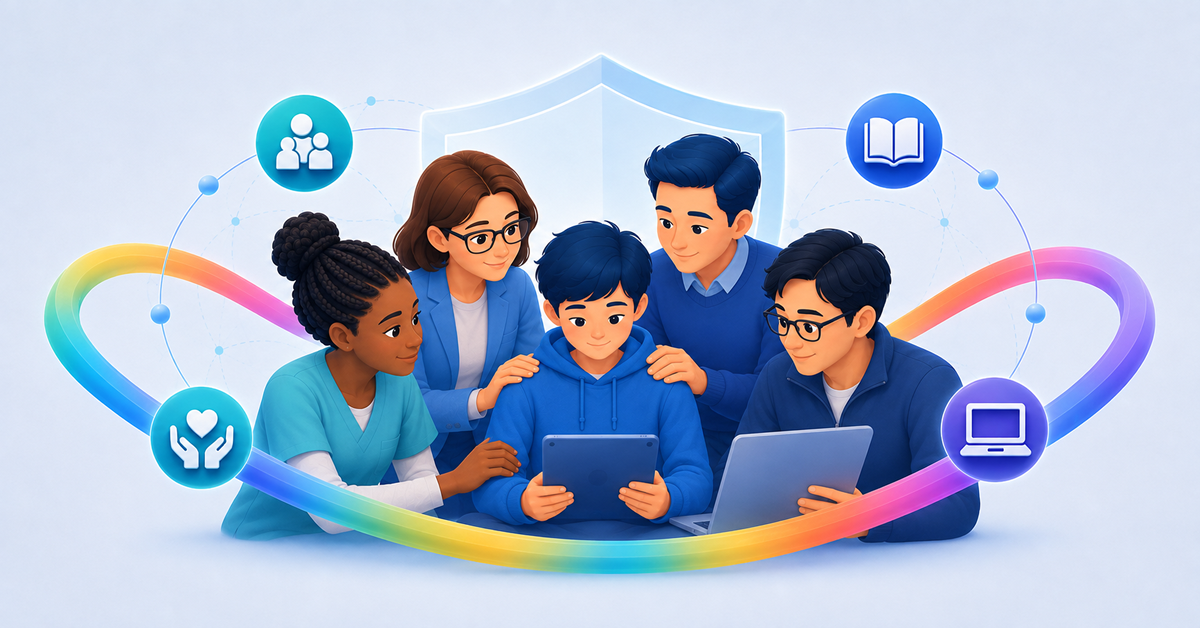
SIDUCA will therefore aim to support children and the people around them; autistic children and young people need accessible education that reflects their individual circumstances whilst parents, carers and professionals need guidance that helps them set appropriate boundaries, discuss concerns and respond in ways that keep communication open.
The purpose is not to suggest that every online risk can be avoided; it is to help children understand what they may encounter, recognise when something is wrong and feel able to ask for help.
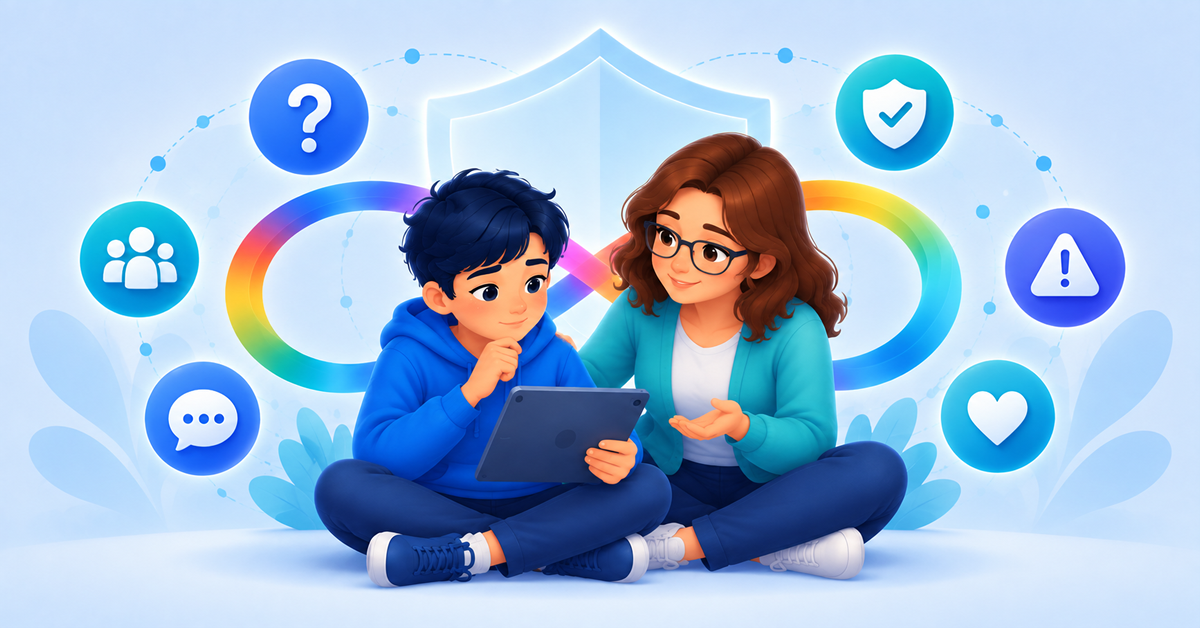
**Featured image filename:** siduca-understanding-online-risk.png
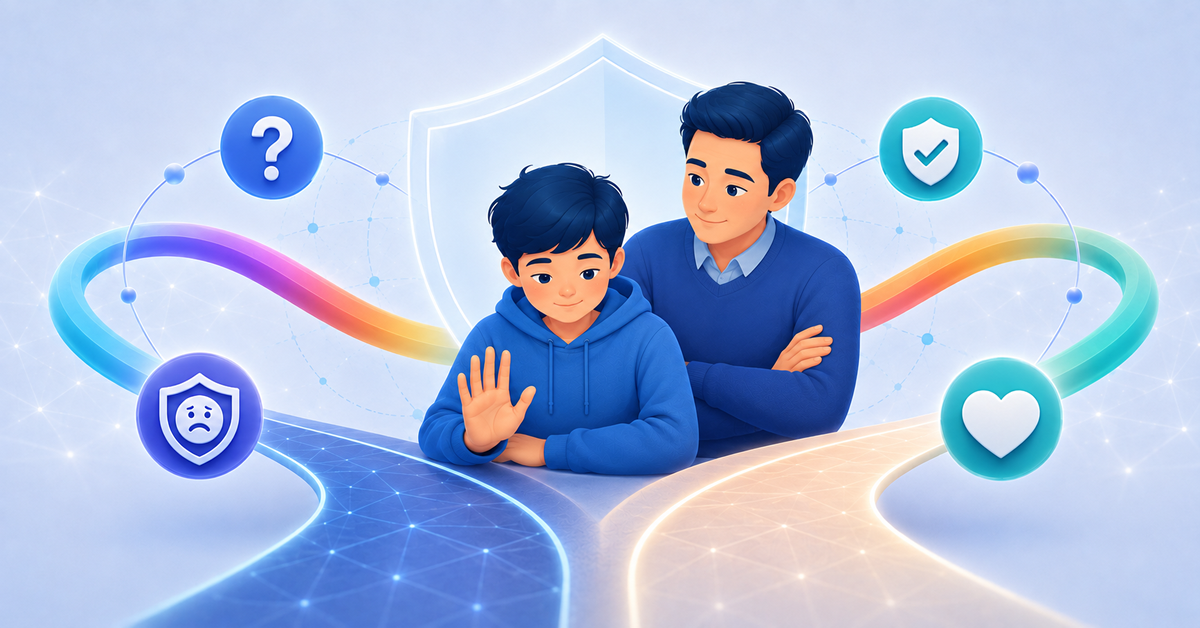
**Image alt text:** Autistic child considering safe digital choices with support from a trusted adult
**Image title:** Helping autistic children understand online risk
**Image caption:** Clear explanations and trusted support can help children make safer choices online.
**Image description:** A calm, text-free illustration of a child considering different digital choices, with a supportive adult nearby and pathway and shield symbols. The image represents learning to recognise online risks and make safer decisions with appropriate support.