Introduction
Developing Safe Internet and Digital Use for Children with Autism (SIDUCA) involves more than producing a collection of online safety advice; before practical resources can be created, the project needs a clear purpose, a consistent approach and a proper understanding of the people it is intended to support.
For that reason, much of the recent work on SIDUCA has taken place behind the scenes.
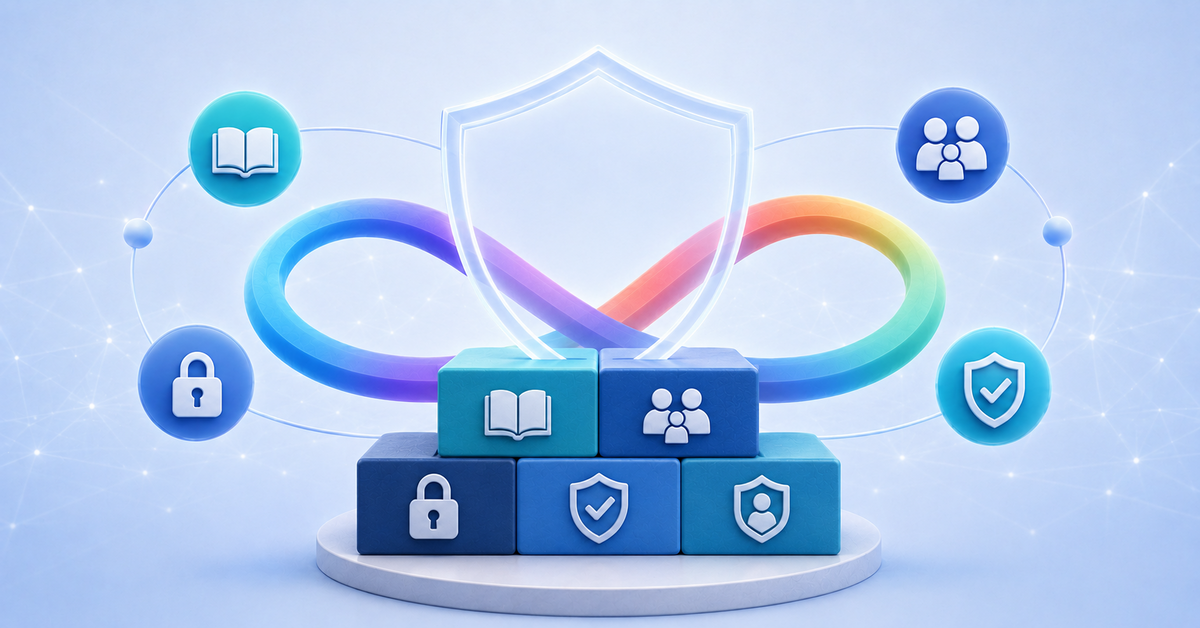
The SIDUCA Master Framework brings together the main areas of the project, including its mission, audiences, learning outcomes, educational approach, proposed delivery methods and longer-term direction. It is supported by more detailed documents covering areas such as partnerships, certification, accreditation, sustainability and national development.
Most visitors to the SIDUCA website may never need to read these documents in full; even so, the decisions recorded within them will shape the information, guidance and learning materials produced by the project.
Why This Work is Necessary
Online safety covers a wide and changing range of subjects; privacy, online relationships, social media, gaming, scams, misleading information, inappropriate content and the sharing of personal details are all part of the picture. As platforms and technology develop, the way children use them and the risks they may encounter will continue to change.
There is also no single autistic experience of the online world; children and young people will have different abilities, interests, communication preferences and support needs. Age, confidence, previous experiences and the support available at home or school may all affect how someone understands and responds to an online situation.
Some children may benefit from direct explanations and clearly defined rules; others may learn more effectively through examples, visual resources, discussion or the opportunity to practise making decisions. A child who uses technology independently may require a very different approach from one who relies on regular support.
This makes it important for SIDUCA to avoid treating autistic children and young people as one uniform group; it also means that a single resource, written in one format and at one level, is unlikely to meet everyone’s needs.
The framework provides a common reference point as materials are developed for different audiences; including autistic children and young people, parents and carers, teachers and teaching assistants, safeguarding professionals, technical staff and members of the wider public. Each audience will need different information, but the purpose and principles behind that information should remain consistent.
A Balanced Approach to Online Safety
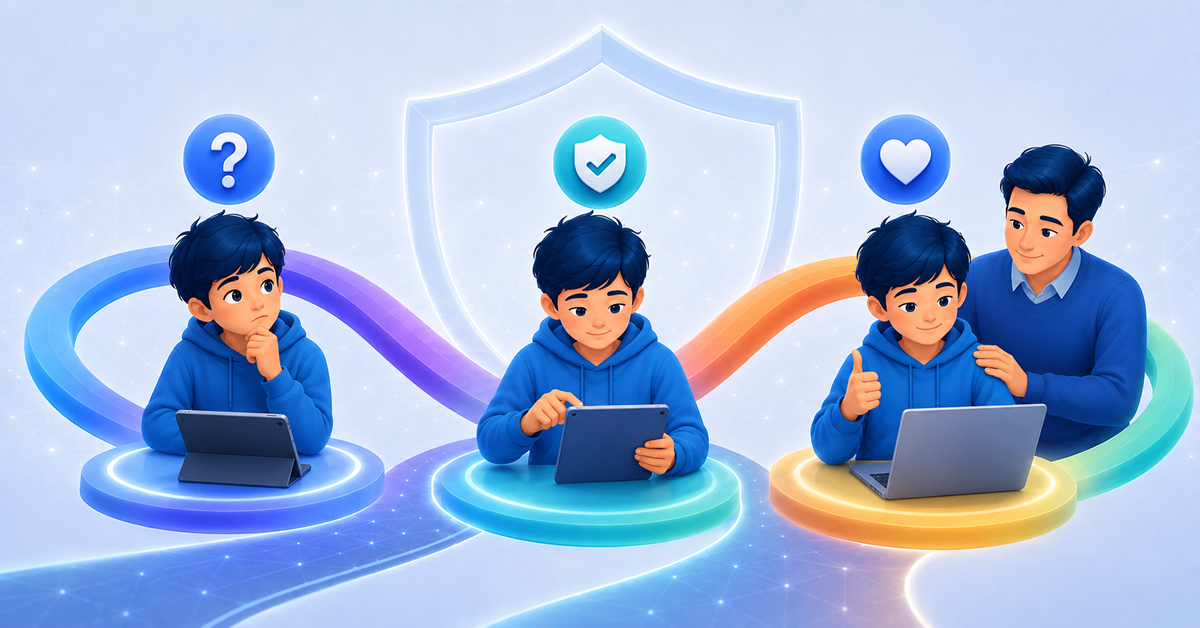
A central principle of SIDUCA is that online safety education should not present technology as something autistic children should fear.
The internet can support learning, communication, entertainment, creativity and friendship; it can also help children explore their interests and, in some cases, communicate in ways they find more comfortable. As children grow older, digital skills can contribute to greater confidence and independence.
These opportunities exist alongside genuine risks; children may encounter inappropriate contact, pressure to share information, bullying, scams, misleading content or situations in which another person’s intentions are difficult to recognise. Good online safety education needs to address these issues without suggesting that avoiding technology altogether is the answer.
SIDUCA will focus on practical understanding; this includes helping children recognise when something may be unsafe, understand personal boundaries, protect private information, question what they see online and know when to seek help. Parents, carers and professionals also need information that helps them start conversations, recognise concerns and respond appropriately when something goes wrong.
The aim is to support safer participation rather than promise that every risk can be removed; children need opportunities to benefit from digital technology while having guidance that reflects their age, understanding and individual circumstances.
Setting Clear Boundaries
The Master Framework also defines what SIDUCA can reasonably claim to provide.
SIDUCA is being developed to complement established safeguarding guidance and existing online safety education; it cannot replace the responsibilities of parents, carers, schools, safeguarding leads, healthcare professionals or relevant authorities.
It is equally important to distinguish between current work and future ambitions; the project has a developed strategic foundation, but its public resources are still at an early stage. Plans relating to certification, accreditation, partnerships and wider delivery will require further development, consultation, funding and, where appropriate, independent review.
Being open about this is important; SIDUCA should build trust through the quality and usefulness of its work, rather than presenting future plans as achievements that have already been completed.
Turning the Framework into Practical Support
The next stage will begin translating the framework into public information and practical resources; over time, this may include structured learning materials, guidance for families and professionals, adaptable activities and content designed for different ages, abilities and settings.
These resources will need to be reviewed and improved as the project develops; input from autistic children and young people, families, educators, safeguarding professionals and organisations with relevant experience will be particularly valuable. It can help identify gaps, challenge assumptions and show whether a resource works in practice rather than only on paper.
The framework is not intended to settle every question permanently; online behaviour, technology and good practice will continue to change. SIDUCA will need to respond to new evidence, feedback and experience while remaining consistent with its original purpose.
There is still a considerable amount of work ahead, but the project now has a clearer structure and a stronger basis from which to move forward; taking time to establish that foundation should make the resources developed from it more consistent, responsible and useful to the people they are intended to support.